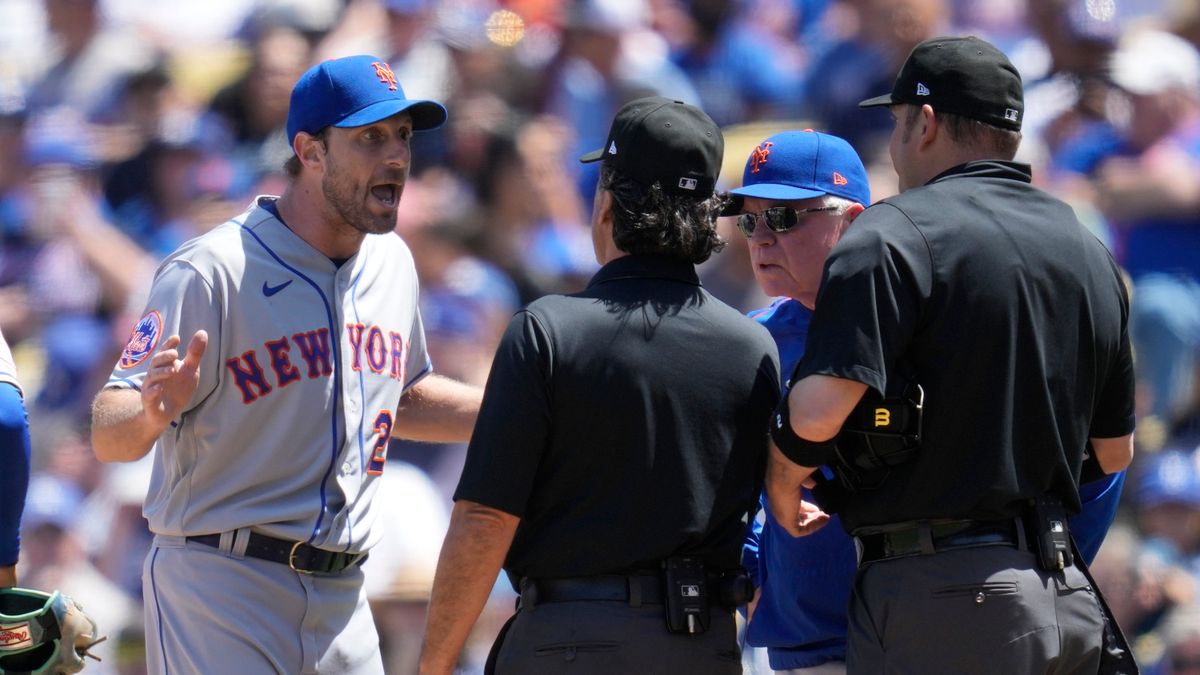
Scherzer's Sticky Situation: Unpacking the Rosin vs. Foreign Substance Controversy
In a sport deeply rooted in tradition yet constantly evolving, the rules governing fair play are paramount. One of the most talked-about controversies in recent Major League Baseball (MLB) history revolves around foreign substances used by pitchers. In 2023, this discussion reached a fever pitch when three-time Cy Young Award winner, Max Scherzer, then pitching for the New York Mets, found himself at the center of a sticky scandal, resulting in a 10-game suspension. This incident sparked widespread debate and left many asking: Warum wurde der US Baseball Profi Max Scherzer 2023 10 Spiele gesperrt? Let's dive deep into the events, the rules, and the aftermath of Scherzer's ejection.
The Fateful Day: April 19, 2023, and Multiple Inspections
The stage for Scherzer's suspension was set on April 19, 2023, during a game between the New York Mets and the Los Angeles Dodgers. From the outset, the umpires, led by crew chief Phil Cuzzi, were highly attentive to Scherzer's hands and glove. This vigilance was part of MLB's intensified crackdown on foreign substances, which had been in effect since the 2021 season.
- First Inspection (After 1st Inning): Following the first inning, umpires conducted their initial check. They noted a slight stickiness on Scherzer's hands but deemed it acceptable, attributing it potentially to the legal combination of rosin and sweat. At this point, no action was taken.
- Second Inspection (After 2nd Inning): The scrutiny intensified after the second inning. Umpires found the stickiness to be more pronounced and darker. They instructed Scherzer to wash his hand with alcohol under supervision and also compelled him to change his glove. This was a clear warning, signaling that he was approaching a violation threshold.
- Third Inspection (Before 4th Inning): Despite the previous warnings and the hand-washing, the situation escalated dramatically before the fourth inning. Umpires conducted another inspection and found Scherzer's fingers to be "extremely sticky," to the point where they were adhering to the ball. This unequivocal evidence led Cuzzi to immediately eject Scherzer from the game. Under MLB rules, an ejection for a foreign substance violation automatically triggers a 10-game suspension and an accompanying fine.
The MLB later confirmed these findings, stating that "the amount of stickiness on Scherzer's hand far exceeded what could be reasonably explained by the permitted use of rosin and sweat." Video evidence and detailed umpire reports provided strong corroboration for the decision, solidifying the grounds for his punishment, which also included a reduced fine of $5,000 (initially $10,000).
Scherzer's Defense and the Decision to Drop the Appeal
Following his ejection, Max Scherzer, a pitcher known for his intense competitiveness and outspoken nature, vehemently denied using any illegal substances. His immediate reaction was one of disbelief and frustration. He insisted that he had only used rosin, the legal pine tar derivative permitted for pitchers to enhance their grip, combined with his own sweat. A viral video from the dugout even showed him mouthing "It's rosin!" to the umpires in exasperation, throwing his glove down in anger.
"I told them, I swear on my kids' lives, I'm not using anything else," Scherzer stated, emphasizing his absolute denial. "They touched my hand and said it was sticky. Yes, it was, because of sweat and rosin." He highlighted the absurdity of attempting to use an illegal substance after being warned multiple times, saying, "I would have to be an absolute idiot to try anything when I come back out for the fourth inning."
Initially, Scherzer planned to appeal the 10-game suspension, a right afforded to all players. However, just hours after the announcement, he made the decision to drop his appeal. This move, while perhaps surprising to some, was likely a calculated one, influenced by several key factors:
- Low Chances of Success: The MLB's statement, backed by strong video evidence and multiple umpire reports detailing extreme stickiness, left very little room for a successful appeal. The league's stance was firm: the degree of tackiness was simply inconsistent with permitted substances.
- Faster Return to Play: By waiving his right to appeal, Scherzer could begin serving his suspension immediately. This meant he would return to the mound sooner, an important consideration given the Mets were facing a crucial series against the Atlanta Braves and Scherzer had recently battled back issues, causing him to miss a start.
- Team Impact: A prolonged appeal process would have created uncertainty and a distraction for the Mets, a team with high aspirations. Scherzer's decision allowed him to put the incident behind him and focus on contributing once he returned.
The MLB's unequivocal statement—"The stickiness was so extreme that it was not compatible with rosin/sweat alone"—underscored the gravity of the perceived violation, making any appeal a long shot.
The Broader Context: MLB's Ongoing Crackdown on "Sticky Stuff"
Max Scherzer's 2023 suspension was not an isolated incident but rather a significant moment in the MLB's ongoing, intensified campaign against pitchers using illegal "sticky stuff." This crackdown officially began in mid-2021, driven by concerns over competitive balance, player safety, and the integrity of the game. Pitchers using foreign substances gain an artificial advantage by increasing spin rates and velocity, making pitches harder to hit and potentially raising injury risks for hitters facing increasingly dynamic pitches.
Before Scherzer's incident, dozens of ejections and suspensions had already occurred, demonstrating the league's commitment to enforcement. Umpires, including Phil Cuzzi, had been active in previous cases, ensuring consistency in the application of the rules. This history meant that Scherzer, despite his star status, was subject to the same penalties as any other player, reinforcing the league's no-tolerance policy.
For more detailed information on the league's initiative and other significant incidents, you can refer to MLB's Sticky Stuff Crackdown: Max Scherzer's 2023 Ejection and Suspension Explained.
Rosin vs. Foreign Substances: A Fine Line?
The core of the controversy lies in the distinction between what is permissible and what is not. MLB allows pitchers to use rosin, a powdered resin derived from pine trees, to help them grip the ball better. When mixed with natural sweat, rosin can indeed create a degree of tackiness. The challenge for umpires, however, is to differentiate this acceptable level of stickiness from the "extreme" or "excessive" tackiness produced by illegal substances—often a mixture of rosin, sunscreen, or other industrial grip enhancers like Spider Tack.
Scherzer's defense hinged on the idea that his stickiness was purely rosin and sweat. While this combination can feel tacky, the MLB's determination was that the degree of stickiness on his hand far surpassed what mere rosin and sweat could produce. This highlights the subjective yet critical judgment calls umpires must make, especially in high-pressure situations or hot weather where sweat is abundant.
Many experts acknowledge the difficulty for umpires but also stress the objective evidence presented in Scherzer's case. The consistency of the extreme stickiness across multiple inspections, even after cleaning, pointed strongly towards something beyond the legal limit. This incident serves as a stark reminder that while the line between legal and illegal might seem fine to some, the MLB draws it firmly when it comes to the integrity of the game.
Public and Expert Reactions
The incident ignited a spectrum of reactions from fans and experts alike. On social media and baseball forums, some fans expressed skepticism or even humor, with memes proclaiming "Sticky is not a crime" or questioning the consistency of umpire checks. Others, however, showed understanding for the league's position, recognizing the need to level the playing field. Many fans debated the practicalities of pitching without extra grip, especially on cold nights or with new, slicker baseballs.
Baseball experts and analysts largely viewed the 10-game suspension as a standard penalty for the offense. There was a consensus that while Scherzer's star power might have protected him from a more severe, long-term ban, the evidence was undeniable. His quick decision to drop the appeal was seen as a pragmatic move, prioritizing his return to the mound and the team's success over a likely fruitless legal battle.
The viral video of Scherzer's ejection further fueled discussions about fair play, the challenges of enforcing rules in real-time, and the constant push-and-pull between tradition and innovation in baseball. Despite the controversy, Scherzer served his suspension, returning to the mound on May 19, 2023, and continuing to pitch at a high level. Since then, no further incidents involving sticky substances have been reported for him, even after his trade to the Texas Rangers, where he continues to be a top pitcher.
The Max Scherzer foreign substance incident of 2023 was a stark reminder of MLB's unwavering commitment to maintaining the integrity of its competition. While Scherzer vehemently denied intentional wrongdoing, the league's evidence of extreme stickiness was compelling enough to warrant a 10-game suspension and a fine. This event underscored the fine line between legal rosin use and illegal foreign substances, and the challenges umpires face in enforcing these rules. Scherzer's decision to forgo an appeal allowed him to put the controversy behind him swiftly, demonstrating a pragmatic approach that ultimately benefited both him and his team. As the league moves forward, the "sticky stuff" debate remains a crucial aspect of ensuring fair competition and preserving the essence of America's pastime.