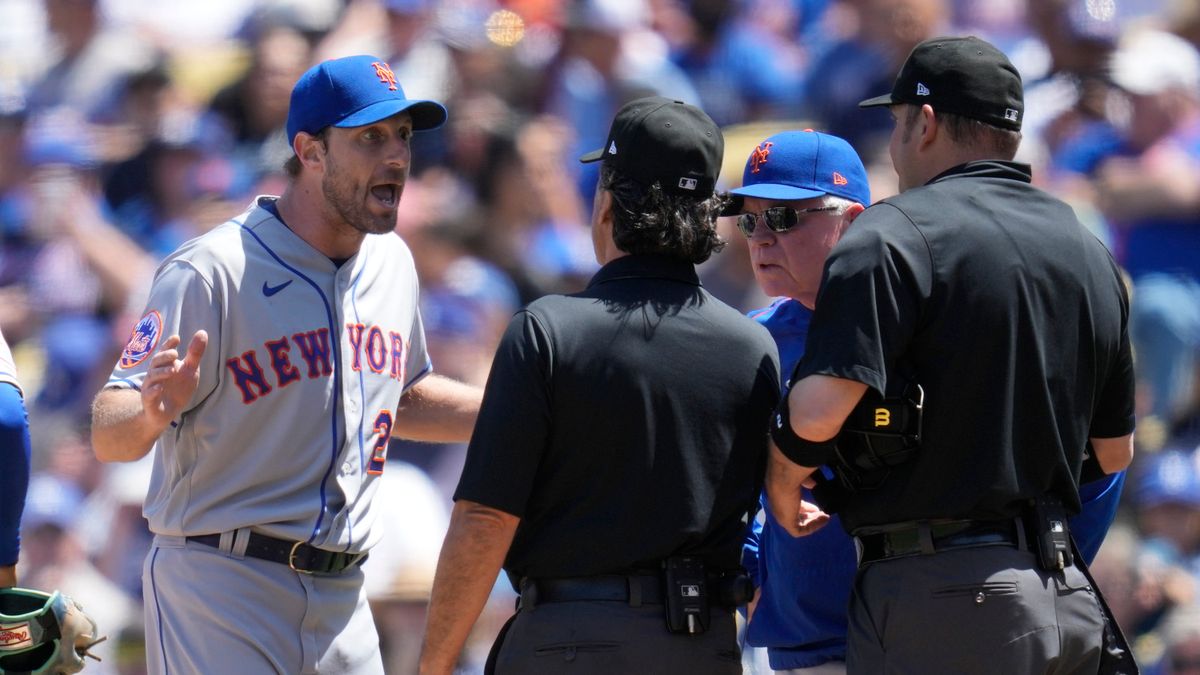
Max Scherzer: Why the MLB Star Faced a 10-Game Sticky Substance Ban in 2023
Max Scherzer, a name synonymous with pitching excellence and fiery competitiveness, found himself in an unfamiliar spotlight in April 2023. The then-New York Mets ace, a three-time Cy Young Award winner, was handed a 10-game suspension and a fine for violating Major League Baseball's rules regarding foreign substances. This incident reignited widespread discussions about pitcher integrity, competitive advantage, and the ongoing battle against "sticky stuff" in America's pastime. For many baseball enthusiasts, including those wondering, "
Warum wurde der US Baseball Profi Max Scherzer 2023 14 Spiele gesperrt?" (Why was US baseball pro Max Scherzer suspended for 14 games in 2023?), it's crucial to clarify that the actual suspension was for 10 games, a significant penalty for a player of Scherzer's caliber. This article delves into the specifics of that fateful night, the MLB's rationale, and the broader implications for the game.
The Fateful Night: An In-Depth Look at the Ejection
The incident unfolded on April 19, 2023, during a highly anticipated game between the New York Mets and the Los Angeles Dodgers. Max Scherzer, known for his intense gaze and dominant pitching, was under scrutiny from the very first inning. Home plate umpire Phil Cuzzi, a veteran arbiter who has been notably involved in several "sticky stuff" ejections since the MLB's crackdown began in 2021, initiated multiple inspections of Scherzer's hands and glove.
Here's how the escalating sequence of events played out:
- First Inspection (After 1st Inning): Following the first inning, umpires conducted their initial check. The substance on Scherzer's hands and glove was deemed slightly sticky, but still within acceptable limits, potentially attributable to the legal combination of rosin and sweat. This passed without immediate concern.
- Second Inspection (After 2nd Inning): Just an inning later, a second inspection revealed a darker and noticeably stickier residue. Umpires instructed Scherzer to wash his pitching hand with alcohol, under the direct supervision of an MLB official, and change his glove. Scherzer complied, seemingly clearing the slate.
- Third Inspection (Before 4th Inning): However, before he could throw a single pitch in the fourth inning, the umpires approached Scherzer for a third check. This time, the substance was described as extremely sticky. Accounts from the umpire crew, led by Cuzzi, indicated that their fingers were literally sticking to Scherzer's hand. This extreme level of tackiness, far exceeding what rosin and sweat could plausibly produce, led to an immediate ejection from the game.
Scherzer vehemently denied using any illegal foreign substance, asserting that he only used rosin and sweat, as permitted by MLB rules. "I told them I swear on my kids' lives I'm not using anything else," he recounted later. A viral video clip captured him angrily throwing his glove to the ground after the ejection, exclaiming, "It's rosin!" Despite his protests, the subjective but decisive judgment of the umpire crew, based on the palpable stickiness, sealed his fate. This pivotal moment underscores the subjective nature of these inspections and the challenge umpires face in distinguishing between legal and illegal substances.
MLB's Stance and the Substance of the Ban
Following the game, Major League Baseball conducted a thorough review of the incident. Their findings corroborated the umpires' assessment. The league confirmed that "the amount and/or consistency of the substance found on his glove and pitching hand was so extreme that it was not attributable to the use of rosin and sweat alone." This conclusion was bolstered by relevant video evidence and first-hand reports from the umpire team, leaving little room for doubt in the league's eyes.
The penalty was swift and unequivocal:
- 10-Game Suspension: Scherzer was suspended for 10 regular season games, effective April 20, 2023.
- Financial Penalty: He was also fined, with the initial $10,000 fine later reduced to $5,000.
Scherzer initially indicated his intention to appeal the suspension, maintaining his innocence. However, hours later, he reversed course and dropped the appeal. This decision, while surprising to some, was likely a pragmatic choice for several reasons:
- Low Chances of Success: Given the strong video evidence, detailed umpire reports, and MLB's firm stance, the chances of winning an appeal were slim. The league's statement emphasized the "extreme" nature of the stickiness, making a successful defense challenging.
- Expedited Return to Play: By dropping the appeal, Scherzer could begin serving his suspension immediately, ensuring a quicker return to the mound for the Mets. This was particularly important as he had recently dealt with back issues that delayed his season debut. A prolonged appeal process would have kept him off the field longer, potentially hurting his team.
This incident serves as a stark reminder that even future Hall of Famers are not immune to MLB's stringent regulations regarding foreign substances. For a deeper dive into the specific rules and the broader debate around what constitutes an illegal substance, consider reading
Scherzer's Sticky Situation: Unpacking the Rosin vs. Foreign Substance Controversy.
Broader Context: MLB's Ongoing Crackdown on "Sticky Stuff"
Max Scherzer's 2023 suspension was not an isolated event; rather, it was a high-profile chapter in MLB's concerted effort to curb the use of illegal foreign substances by pitchers. The league officially began its rigorous crackdown in June 2021, spurred by a growing body of evidence—including advanced analytics like spin rate data—suggesting widespread use of unauthorized grip enhancers.
Why the crackdown?
- Competitive Balance: Sticky substances, often a potent concoction of pine tar, rosin, and other adhesives, allow pitchers to achieve significantly higher spin rates and better control over the ball. This creates an unfair advantage, making pitches more deceptive and harder to hit, ultimately distorting offensive statistics and competitive balance.
- Player Safety: While not the primary driver of the crackdown, extremely high spin rates can make balls move unpredictably, potentially increasing the risk for batters.
- Integrity of the Game: The use of illegal substances undermines the integrity of baseball, turning a game of skill and athletic prowess into a technological arms race for artificial grip.
Since 2021, dozens of pitchers have faced ejections and suspensions, with veteran umpires like Phil Cuzzi often at the forefront of these inspections. The league has been clear: rosin and sweat are permitted for grip enhancement, but anything beyond that which materially alters the ball's trajectory or a pitcher's command is strictly prohibited. The Scherzer case, given his stature, sent a powerful message across the league that these rules would be enforced without exception. For a comprehensive overview of the MLB's efforts and other notable incidents, explore
MLB's Sticky Stuff Crackdown: Max Scherzer's 2023 Ejection and Suspension Explained.
Reactions, Repercussions, and Scherzer's Resilient Return
The news of Scherzer's suspension reverberated throughout the baseball world, eliciting a wide range of reactions:
- Fan Forums and Social Media: Many fans expressed cynicism, with some playfully quipping "Sticky is not a crime" while others understood the need for stringent enforcement. The viral video of Scherzer's ejection fueled debates about umpire discretion and the fairness of controls, especially in intense game situations.
- Expert Opinions: Baseball analysts largely viewed the 10-game ban as a standard penalty for such an offense. Some suggested that Scherzer, as a high-profile star, might have even received a slightly more lenient outcome compared to what a lesser-known player could face, avoiding a longer, more career-altering ban.
- Team Impact: For the New York Mets, losing their ace for 10 games was a blow, particularly early in the season. However, Scherzer's quick decision to accept the suspension minimized the disruption.
Despite the controversy and the forced absence, Max Scherzer demonstrated his characteristic resilience. He returned to the mound with his usual intensity, continuing to perform as one of MLB's elite pitchers. After his return, he pitched effectively for the Mets before being traded to the Texas Rangers later in the 2023 season, where he continued to contribute significantly, eventually helping them win the World Series. As of early 2024, there have been no further incidents of foreign substance violations associated with Scherzer, highlighting his ability to adapt and adhere to the league's rules.
This incident offers valuable lessons for all players:
- Understand the Rules: Pitchers must be intimately familiar with MLB's regulations regarding legal and illegal substances. The line between acceptable rosin/sweat and prohibited foreign substances can be fine, but it's a critical distinction.
- Equipment Maintenance: Regular cleaning and replacement of gloves and other equipment can prevent residue buildup that might be mistaken for illegal substances.
- Professional Conduct: While frustrating, cooperating with umpires during inspections is paramount to avoiding further penalties.
Conclusion
Max Scherzer's 10-game suspension in 2023 for a sticky substance violation was a significant moment, highlighting MLB's unwavering commitment to maintaining the integrity of the game. Despite his protests of innocence, the objective evidence of extreme tackiness led to a clear ruling and a fitting penalty. The incident serves as a powerful reminder that in the ongoing battle against performance-enhancing substances, be they chemical or tactile, fair play and adherence to rules are paramount, even for the most legendary figures in baseball. As the game continues to evolve, so too will the methods of enforcement, ensuring a level playing field for all.